HISTORYWhat Actually Makes a War a World War7 min read
Why Major Power Involvement Is the Key Factor
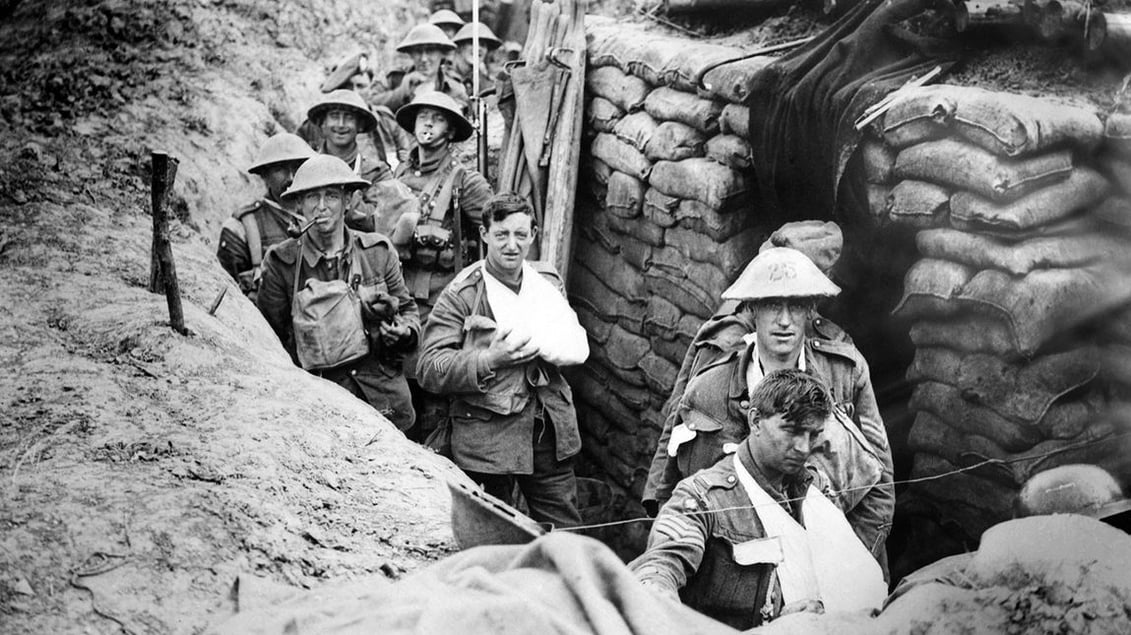
The involvement of great powers is arguably the most important criterion. Great powers are nations with large professional militaries, industrial economies capable of sustaining prolonged conflict, and the ability to project military force far beyond their own borders. When these nations fight each other directly, the consequences ripple outward across trade networks, alliance systems, and colonial territories. World War I pulled in Britain, France, Germany, Russia, and the Ottoman Empire — among the most powerful states of the early 20th century. World War II added the United States, the Soviet Union, Imperial Japan, and Nazi Germany. When the biggest players of an era are actively fighting one another rather than supporting proxy conflicts from the sidelines, historians begin applying the world war label.
Geographic Scope Across Multiple Continents
A conflict limited to one region, no matter how bloody, does not qualify as a world war. Geographic spread across multiple continents is a necessary condition. During World War I, combat occurred across Europe, in Africa, across the Middle East, and on the Atlantic Ocean. British, French, and German colonial forces clashed in sub-Saharan Africa. Naval battles stretched across multiple seas. World War II expanded the map even further, with major campaigns in Western Europe, Eastern Europe, North Africa, the Pacific Ocean, Southeast Asia, and the Atlantic. Tens of millions of people on different continents were either fighting directly or living under conditions fundamentally shaped by the war — conscription, rationing, bombing campaigns, and occupation.