HISTORYWhat Actually Makes a War a World War7 min read
Total War Changes Everything
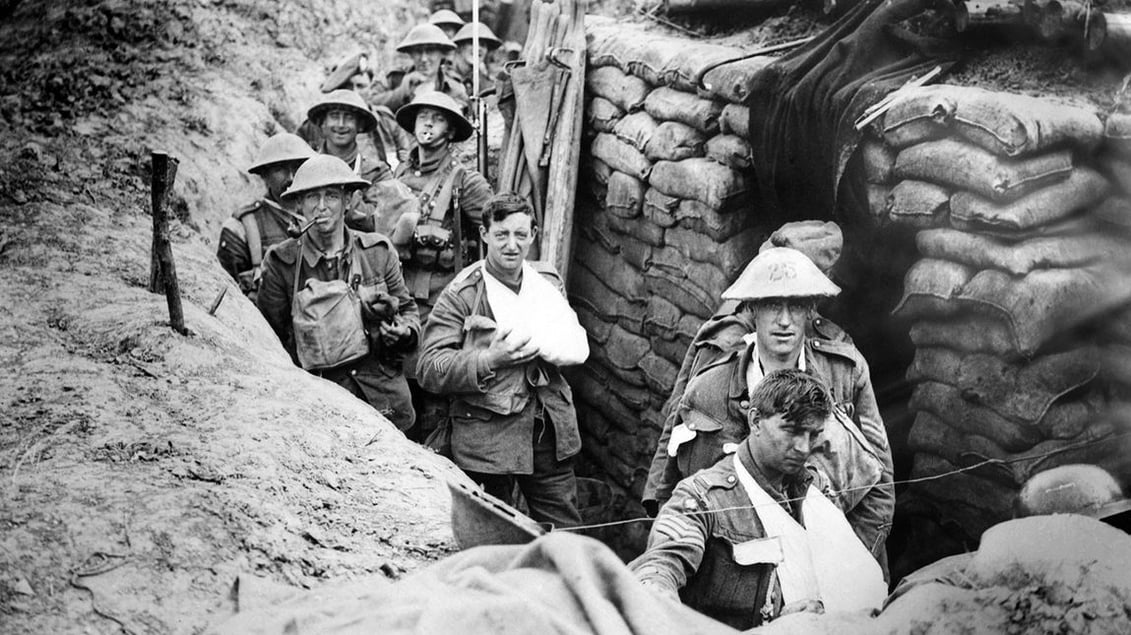
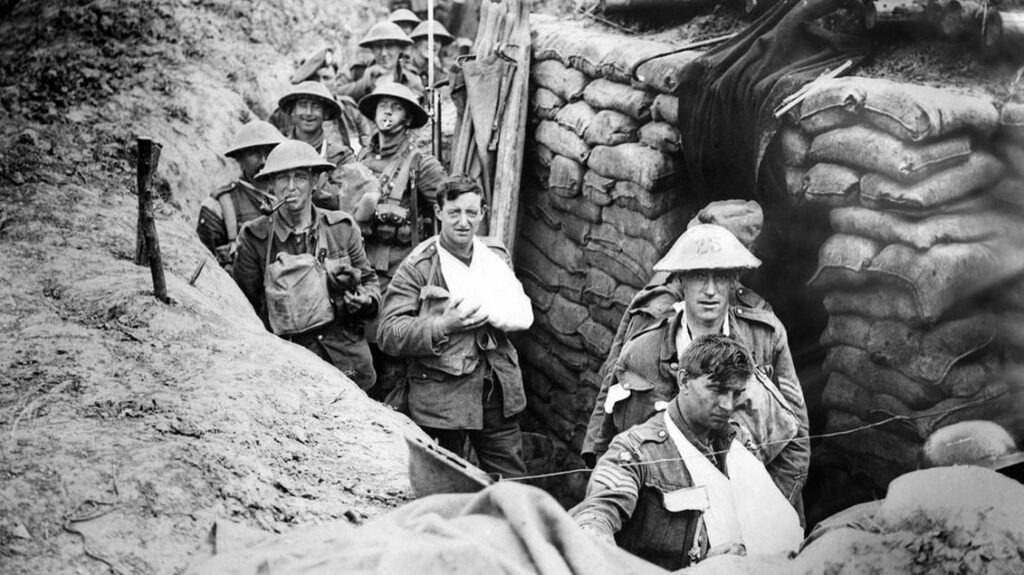
World wars are distinguished from ordinary large-scale conflicts by the concept historians call total war. In a total war, the distinction between the military and the civilian economy essentially disappears. Governments redirect industrial capacity toward weapons production, conscript millions of soldiers, and organize civilian populations around supplying the front. During World War II, factories in the United States that had been making automobiles began producing tanks and bombers. Women entered the industrial workforce in large numbers. Rationing affected what civilians could eat and buy. In occupied Europe and Asia, entire civilian populations became strategic targets. This degree of societal mobilization is what separates a world war from a major regional conflict involving similar numbers of troops.
The Death Toll That Sets These Conflicts Apart
One consequence of total war and global scope is a death toll unlike anything seen in ordinary conflicts. World War I killed an estimated 20 million people, including both military personnel and civilians. World War II killed somewhere between 70 and 85 million people, making it the deadliest conflict in recorded human history. These numbers reflect not only battlefield casualties but also famine, disease, the Holocaust, strategic bombing of cities, and the systematic targeting of civilian populations. The sheer scale of death is one reason historians treat these conflicts as a category apart. Most wars, even significant ones, operate at a fraction of this magnitude. The world war designation signals something fundamentally different in kind, not just in degree.