HISTORYWhat Actually Makes a War a World War7 min read
World War I Set the Template
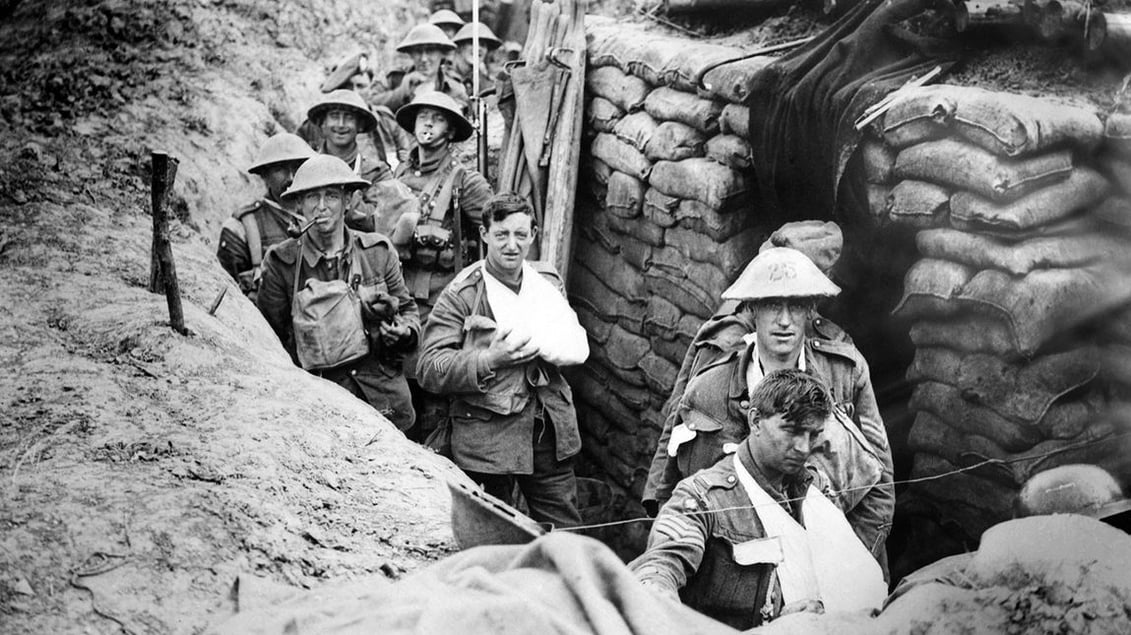
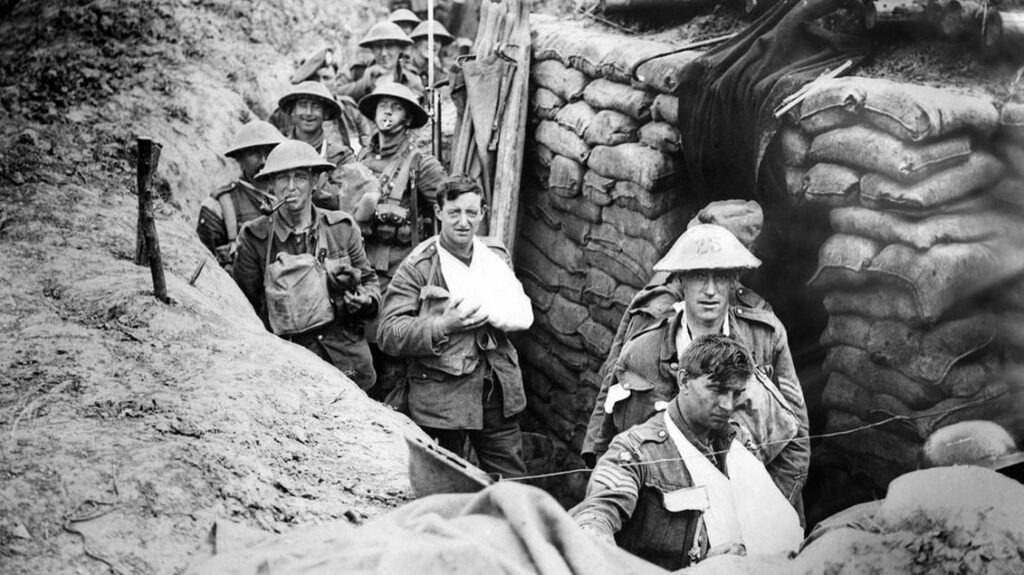
World War I, which ran from 1914 to 1918, is the benchmark against which other conflicts are measured. It began as a regional crisis following the assassination of Archduke Franz Ferdinand in Sarajevo and escalated rapidly through a web of alliances into a conflict involving most of Europe’s major empires. Fighting spread to the Middle East, Africa, and the world’s oceans. New technologies — machine guns, poison gas, submarines, and aircraft — made the war far more lethal than earlier conflicts. By the time it ended, four major empires had collapsed: the Ottoman, Austro-Hungarian, Russian, and German. The political map of Europe and the Middle East was redrawn entirely. The war introduced industrialized slaughter at a scale that had no historical precedent.
World War II Expanded the Scale Further
World War II, from 1939 to 1945, took every feature of the first conflict and multiplied it. The geographic scope was larger, the death toll was higher, the economic mobilization was more complete, and the technological destruction was more total. The Axis powers — Nazi Germany, Imperial Japan, and Fascist Italy — fought the Allied powers, which included Britain, France, the Soviet Union, the United States, China, and dozens of other nations. Combat operations spanned six continents in some form. The war ended with the first and only use of nuclear weapons in combat. Its aftermath created the United Nations, redrew the borders of Europe and Asia, and established the United States and Soviet Union as the two dominant superpowers of the second half of the 20th century.