HOMEWhat Most People Get Wrong About Rainwater8 min read
How Much Water One Roof Can Actually Collect
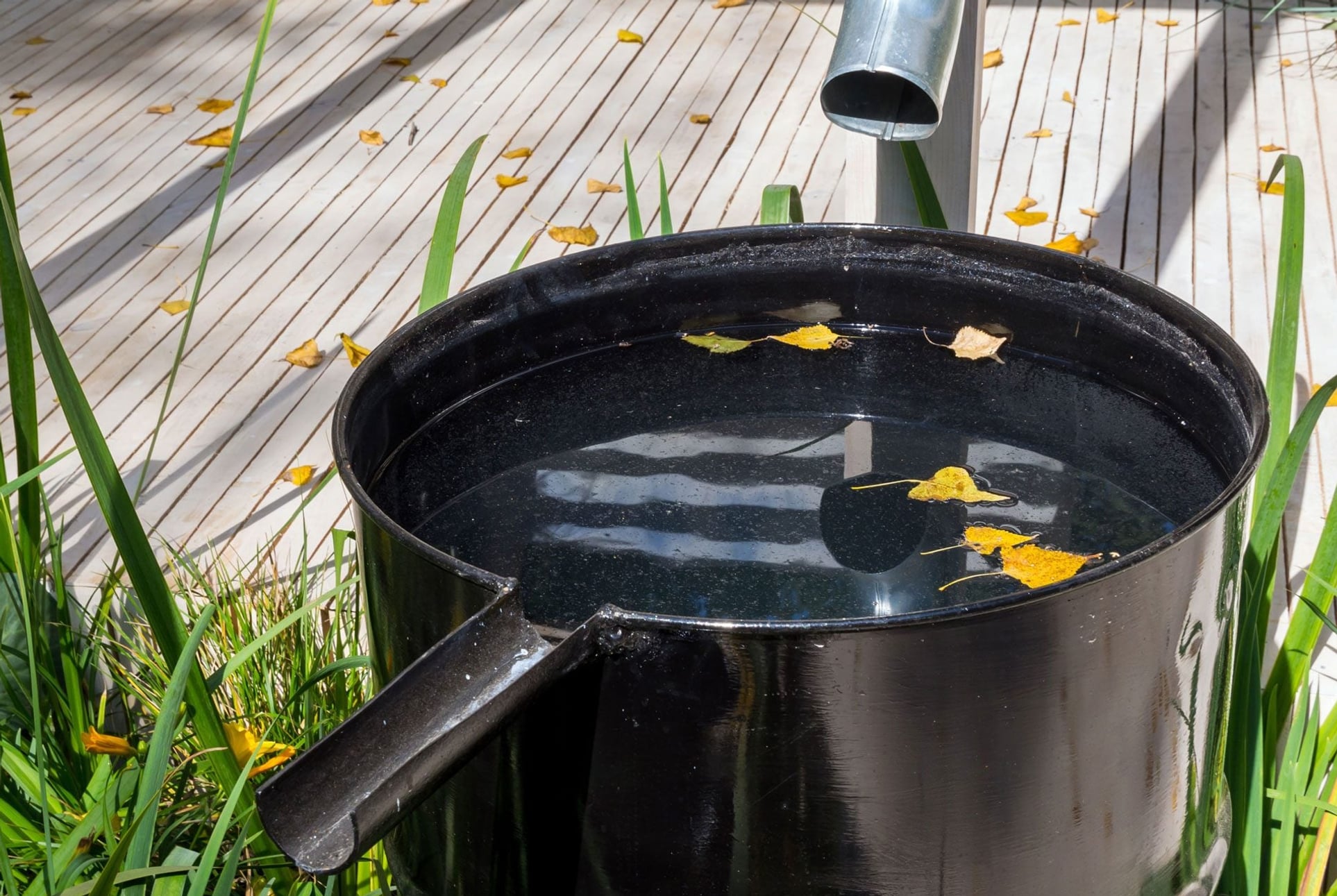
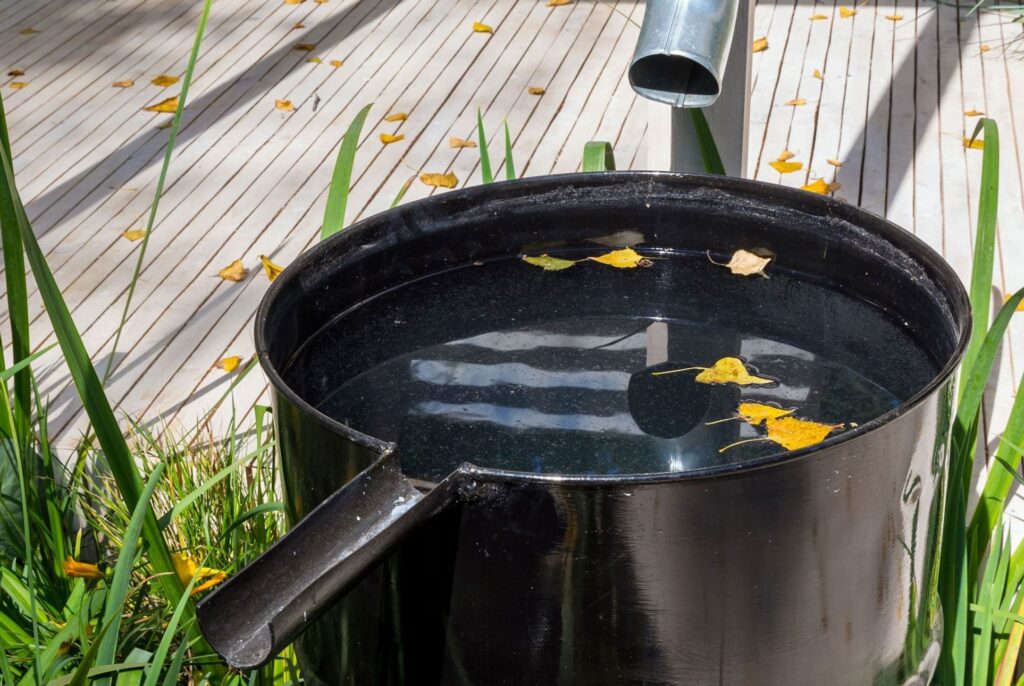
The numbers are larger than most homeowners expect. A single downspout typically drains 500 to 1,000 square feet of roof surface. For every inch of rainfall, Jaber calculates that this translates to 300 to 600 gallons — equivalent to six to twelve standard rain barrels. A modest house with two downspouts in a region that receives 30 inches of rain annually could theoretically collect tens of thousands of gallons per year. In practice, collection efficiency depends on roof material, gutter condition, and storage capacity, but even partial collection adds up. Most homeowners who install a single 55-gallon barrel report filling it after just one or two significant rain events. Scaling up to a cistern system dramatically increases storage and the range of uses it can support. The arithmetic alone makes a compelling case for at least exploring what collection could look like on a specific property.
Rain Gardens Do More Than Hold Water
Surface runoff collection takes a different approach than roof-based systems. Instead of funneling water into a barrel, rain gardens direct runoff across the ground into specially designed shallow depressions — typically four to eight inches deep — planted with native vegetation. These aren’t just decorative. Phillips describes rain gardens as capable of mimicking nature’s filtration system, with the plants and soil working together to slow, absorb, and clean runoff before it reaches the water table. Native plants are recommended specifically because their deep root systems handle wet-dry cycles better than typical ornamentals. A well-designed rain garden can absorb 30 to 40 percent more water than a conventional lawn of the same size. Beyond water management, they support pollinators and birds, reduce erosion, and add visual interest to a yard. For properties with drainage issues or compacted soil, they can also address chronic standing water problems that standard landscaping doesn’t fix.