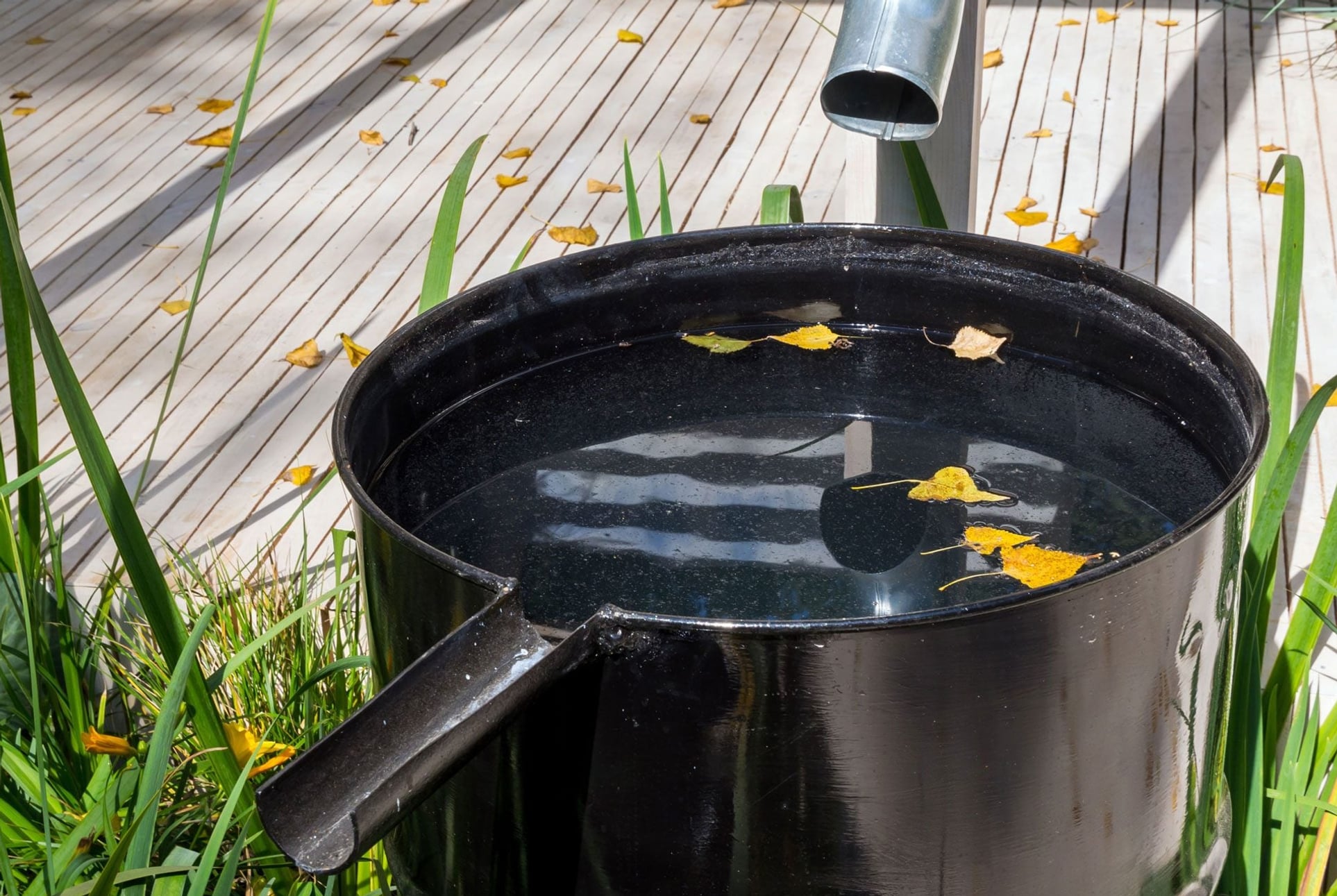
HOMEWhat Most People Get Wrong About Rainwater8 min read
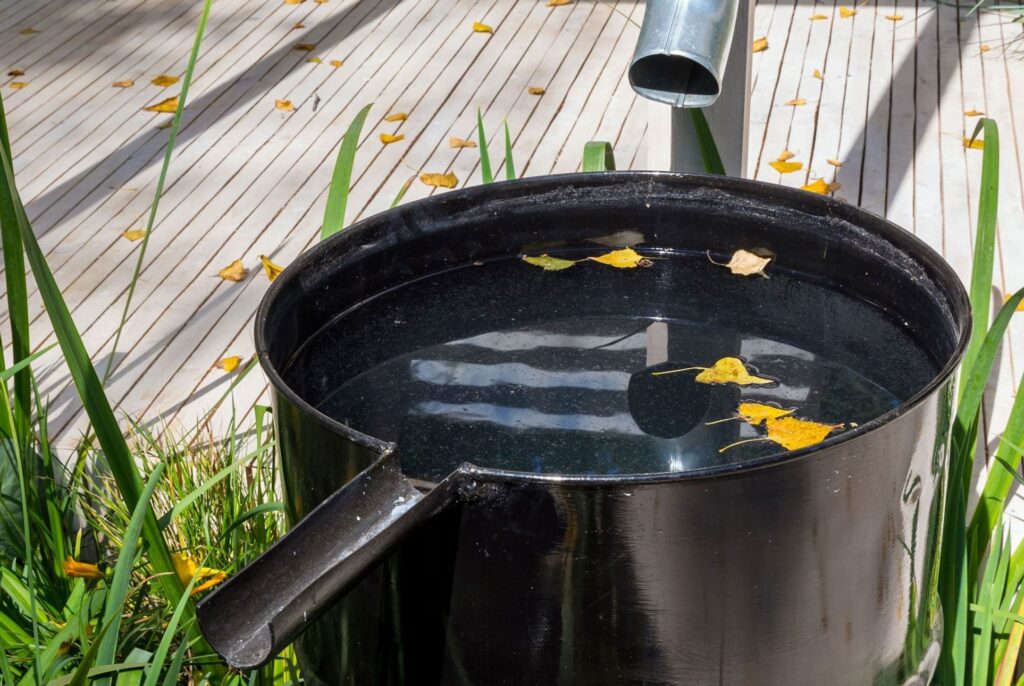
Green Roofs Solve an Urban Problem Most Cities Ignore
In dense urban environments where ground-level space is limited, green roofs offer a different kind of rainwater management. Rooftop vegetation absorbs and holds rainfall, slowing the flow of stormwater into already-strained municipal systems. The benefits extend beyond water. Green roofs reduce the urban heat island effect — the phenomenon where dense clusters of buildings and pavement trap heat, raising city temperatures well above surrounding areas. Rooftop plants provide habitat for birds and insects in places where green space is otherwise scarce. The installation costs are higher than ground-level systems, and structural assessments are typically required before adding the weight of growing medium and vegetation. But for commercial buildings, apartment complexes, or urban homes with flat roofs, green roofs can justify the investment through energy savings, stormwater fee reductions, and extended roof lifespan. Some cities now offer incentives specifically for green roof installations as part of broader stormwater management strategies.
What Collected Rainwater Can and Cannot Do in Your Home
The range of uses for collected rainwater is wider than most people assume. Garden irrigation is the most obvious application, and rainwater is actually preferable to tap water for plants because it lacks chlorine and added minerals. Jaber does advise against using collected rainwater directly on fruit — applied to the fruit itself rather than the soil — and recommends washing all vegetables before eating. Beyond the garden, collected water can supply toilets, washing machines, and outdoor hoses in more advanced systems. For drinking, cooking, showering, or washing dishes, additional treatment is required. Depending on local air quality and roof material, collected water may contain bacteria, parasites, or trace chemicals that standard storage doesn’t eliminate. Running collected water through a series of filters and, in many cases, a reverse osmosis system brings it to potable standards. The filtration requirement adds cost and complexity, but it’s manageable for homeowners who want a more complete off-grid or supplemental water supply.