SCIENCEWhat That Tiny Bug in Your Child’s Hair Actually Means5 min read
Ticks Attach — and That’s the Difference
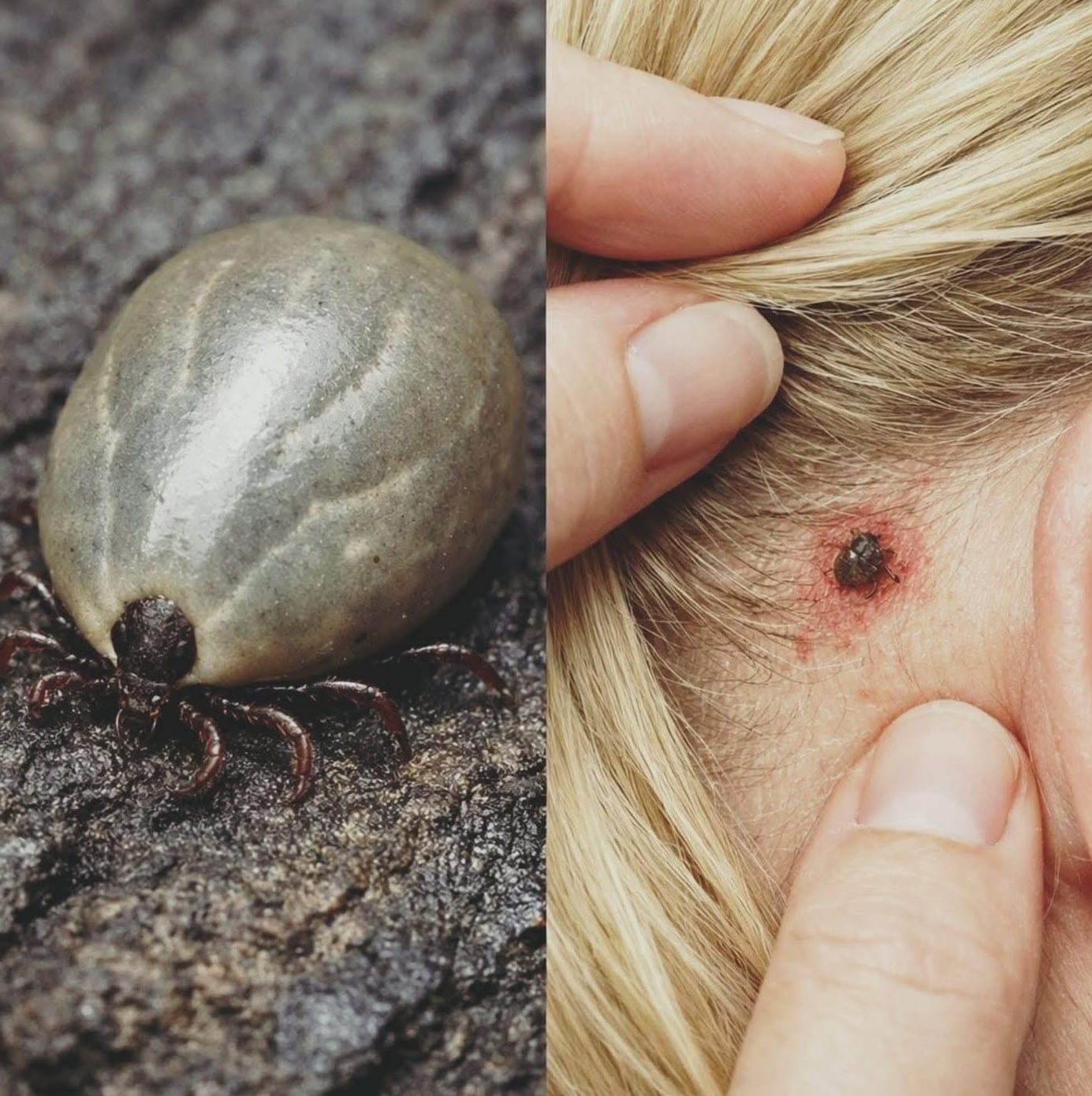
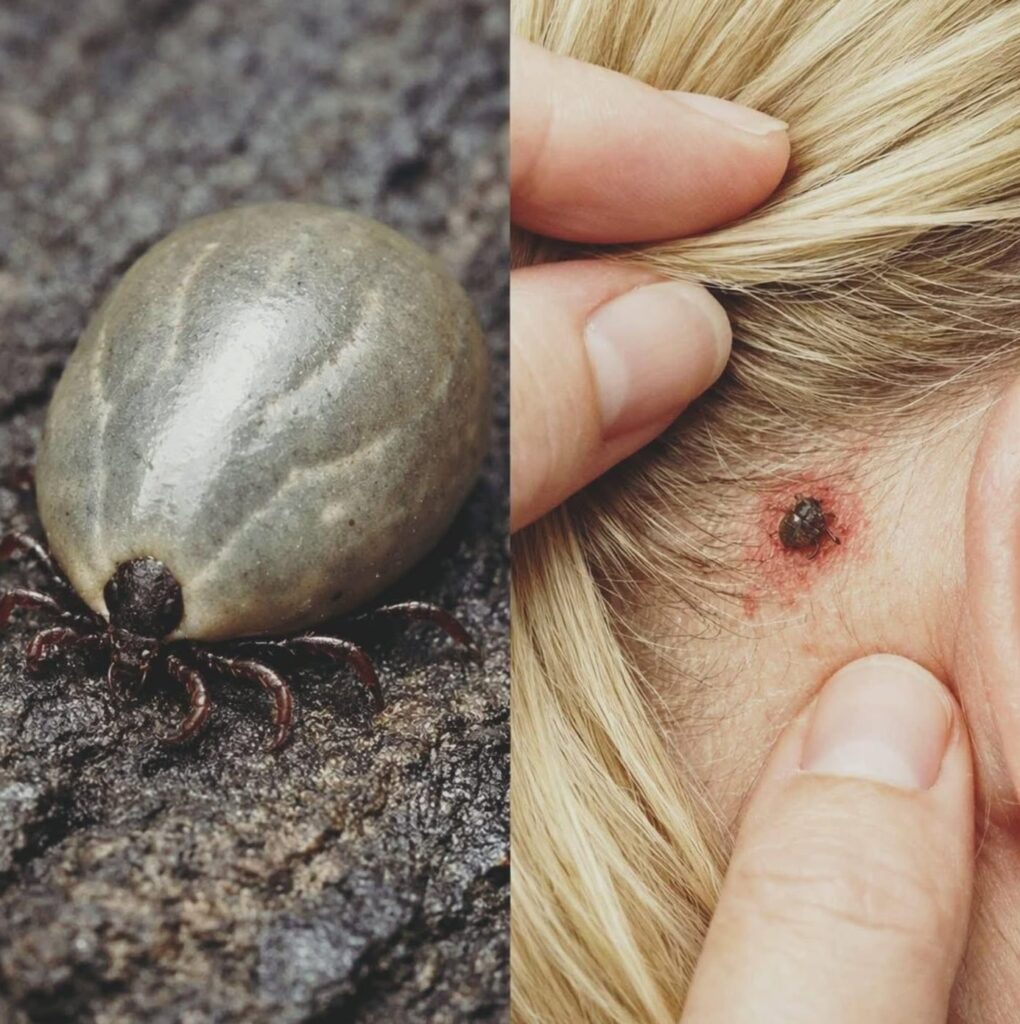
A tick looks nothing like a louse once you know what you’re seeing. Dark, flat, oval-bodied — and if it’s been feeding, it swells into something resembling a tiny gray bead. The crucial distinction: a tick doesn’t move through the hair. It buries its mouthparts into the skin and stays still.
Removal matters more than speed here. Grab sterilized tweezers, get as close to the scalp as possible, and pull steadily and straight out. No twisting, no petroleum jelly, no lit matches — old folk remedies that can increase the risk of infection by agitating the tick. After removal, drop it into rubbing alcohol to kill it, and keep it in a sealed bag if you want it identified later.
Tick-borne illnesses like Lyme disease and Alpha-gal syndrome are real concerns. Watch the bite site for a bullseye rash over the following days and note any fever or fatigue. Most tick bites don’t lead to illness — but monitoring costs nothing.
The Accidental Visitor
Sometimes a child comes in from the backyard with a beetle in their hair, or a tiny bug that hitchhiked in from a pile of leaves. These are not infestations. No eggs, no clustering, no scalp attachment. One insect, clearly out of its element, doing nothing but sitting there.
A gentle comb-through handles it. There’s no treatment needed, no school notification required, no late-night pharmacy run. It happens, especially to kids who spend real time outdoors — which is exactly what kids should be doing.