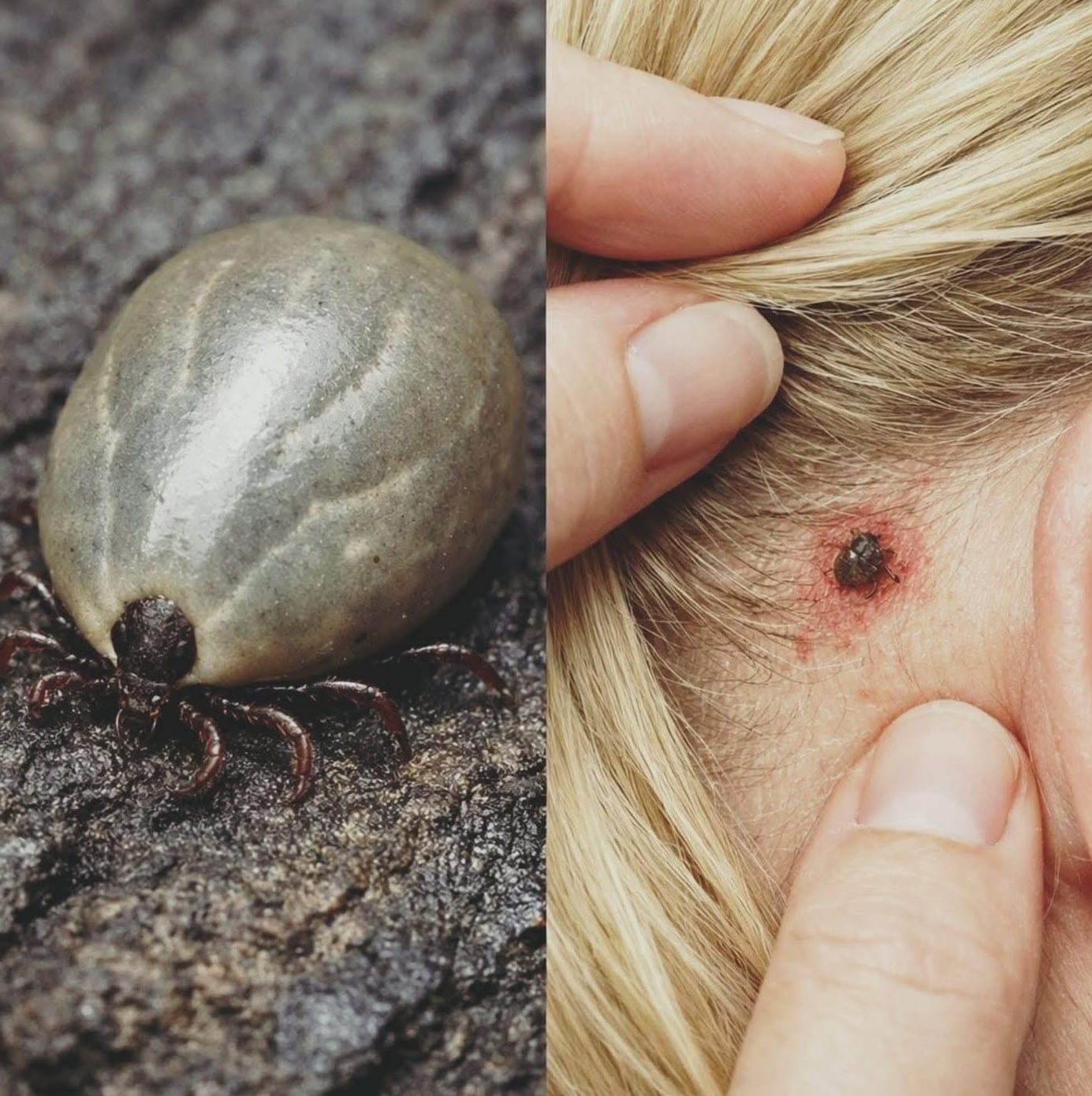
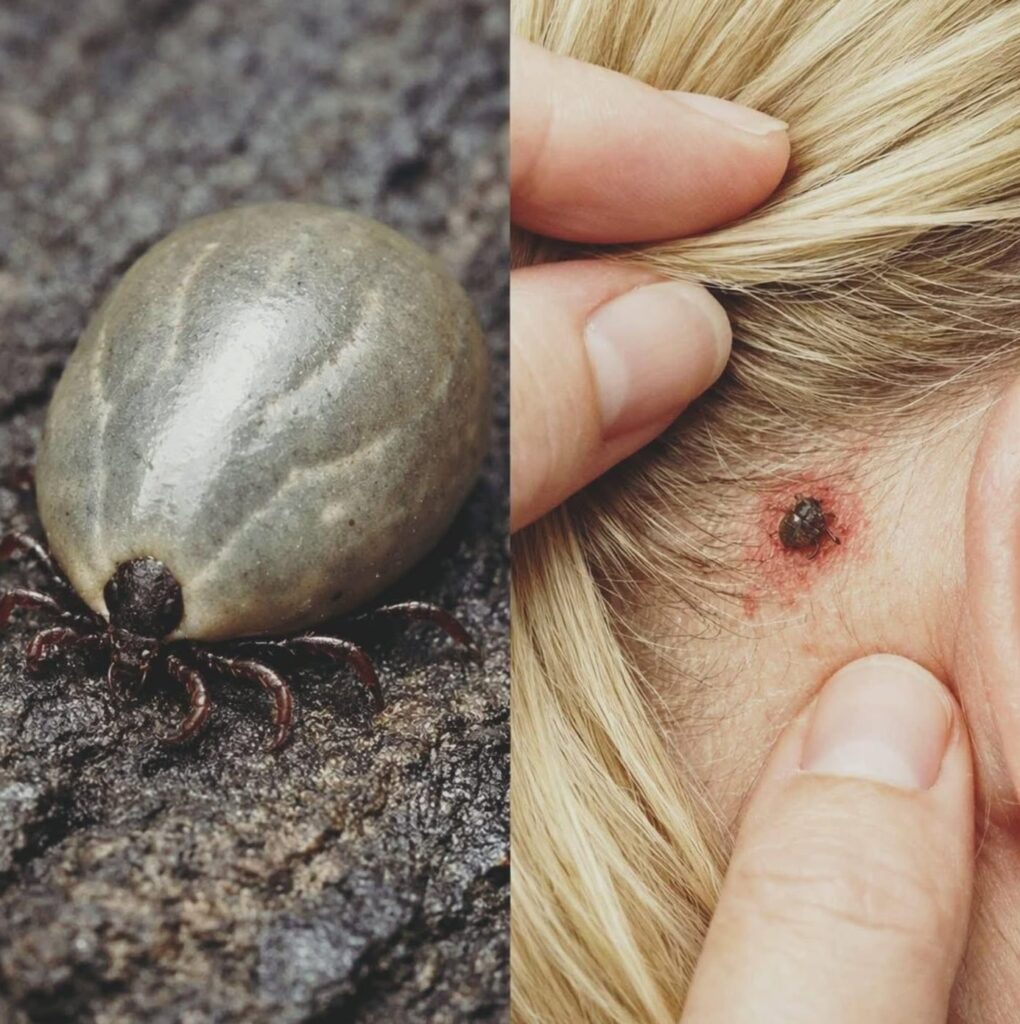
SCIENCEWhat That Tiny Bug in Your Child’s Hair Actually Means5 min read
Why Itching Tells You Almost Nothing
Parents wait for scratching as the warning sign. It’s the wrong signal to rely on. Itching from lice isn’t caused by the insects moving — it’s an allergic response to their saliva, and that reaction takes time to develop. Some kids scratch within a week. Others never itch at all, even with a full infestation.
Weekly visual checks — a couple of minutes under a bright lamp, parting the hair in sections — catch problems early regardless of symptoms. Don’t wait for your child to complain. By the time they’re scratching, the infestation has often been going for weeks.
Treatment That Actually Works in 2026
For lice: repeat wet combing every two to three days for two full weeks. This catches newly hatched lice before they can reproduce. A high-quality metal nit comb — not the cheap plastic ones that come with drugstore kits — makes an enormous difference in thoroughness. Patience is the actual treatment.
For the home: lice die quickly away from a human host, so extreme measures aren’t necessary. Wash pillowcases and hats in hot water. Bag stuffed animals for a couple of days. Vacuum the couch cushions. That’s genuinely enough — no professional fumigation, no throwing out the mattress.
Smartphone apps now allow near-instant identification of insect species from a photo, with treatment guidance attached. It cuts through the 2 a.m. spiral of worst-case googling faster than anything else currently available to parents.