FOODEverything You Think You Know About Hot Peppers Is Wrong4 min read
Your Parrot Could Eat What Landed You on the Floor
The burning sensation capsaicin produces is, biologically speaking, a mammal problem. Birds, reptiles, and amphibians don’t have the TRPV1 pain receptors that make spicy food register as heat. A parrot can eat a raw habanero and feel nothing. A person cannot.
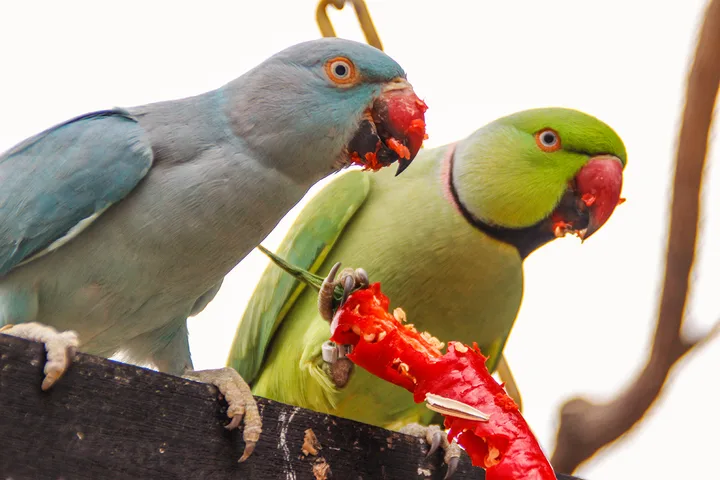
This divide isn’t incidental — it’s the pepper’s entire survival strategy. Birds eat the fruit whole, seeds included, then fly elsewhere and deposit those seeds in their droppings. The plant effectively evolved to repel seed-crushing mammals while recruiting birds as a free distribution network. It’s a clean piece of biological engineering disguised as something you put in salsa.
One mammal breaks the rule: the tree shrew. A genetic mutation in their TRPV1 receptors prevents capsaicin from binding the way it does in other mammals. They eat hot peppers without flinching. Most of us will never know what that feels like.
Five Species, Thousands of Varieties
There are roughly 26 wild species of Capsicum, the flowering plant genus that produces all peppers. But every pepper you’ve ever bought at a grocery store, ordered at a restaurant, or grown in a backyard pot comes from just five domesticated species — all originating in South and Central America.
Capsicum annuum covers jalapeños, poblanos, and cayenne. C. chinense gives you habaneros, ghost peppers, and scotch bonnets. C. frutescens is responsible for tabasco peppers. Under C. pubescens you find thick-skinned rocoto, manzano, and locoto peppers. C. baccatum includes the citrus-forward Lemon Drop and the vivid orange aji amarillo.
Five species. The distance between a mild banana pepper and a Pepper X — the full spectrum of heat and flavor available to human cooking — fits inside that narrow slice of botanical diversity.
The Part You’ve Been Throwing Away Is the Hottest
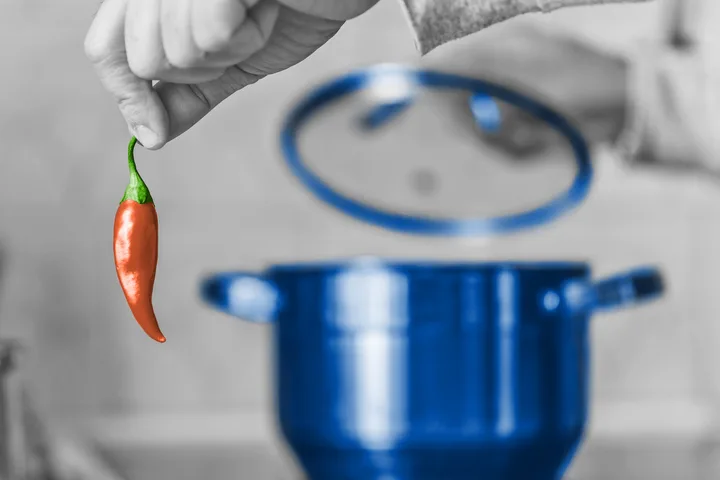
The conventional move when handling hot peppers is to scoop out the seeds. Less heat, the thinking goes. But the seeds aren’t where the heat lives. The highest concentration of capsaicin sits in the white internal membrane — the placental tissue called the pith — that lines the inside of the pepper.
In a jalapeño, the numbers are stark: the pith contains 512 milligrams of capsaicin per kilogram. The seeds clock in at 73 mg/kg. The flesh you’re actually eating? Five. The pith is roughly seven times hotter than the seeds and more than 100 times hotter than the flesh surrounding it.
The myth about seeds persists in kitchens everywhere, but the fire has always lived in the white membrane most people barely notice. Now you know where to cut.