SCIENCELook Up Tonight and You’ll Never See the Stars the Same Way Again4 min read
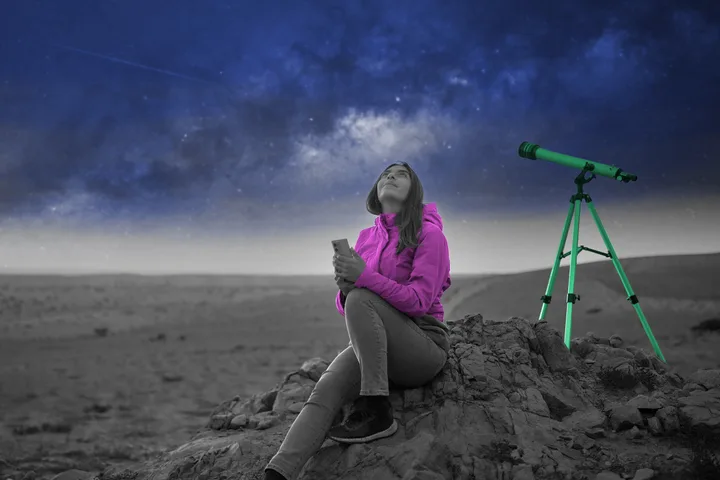
You Are Watching the Past, Not the Present
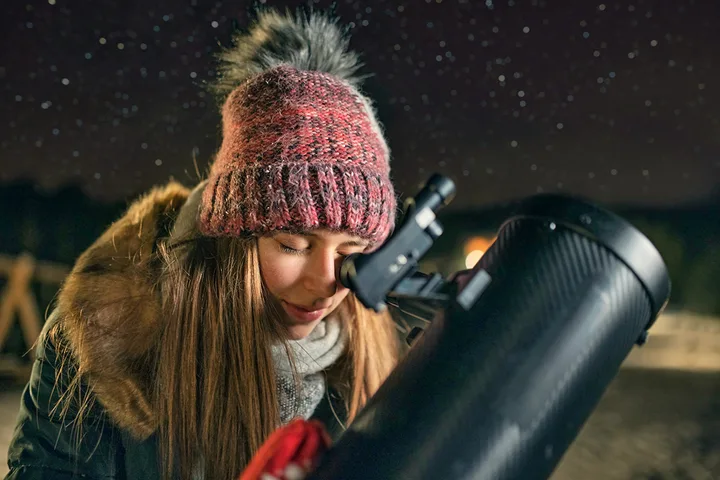
Light travels at 186,000 miles per second — the fastest anything in the universe moves. And still it takes time to cross the gulfs between stars. A star 100 light-years away is seen exactly as it was a century ago, because that’s how long its light has been in transit. Some of the faintest stars visible to the naked eye are thousands of light-years distant. Their light left before Rome fell. Before recorded history began.
A star you see tonight might not exist anymore. It could have exploded centuries ago, and we simply won’t know until the light from that explosion finally arrives. The night sky is not the present. It’s an archive — a record of events spread across unimaginable distances and timescales, written in light, delivered to your eyes long after the fact.
A Spacecraft You Can Watch With Your Own Eyes
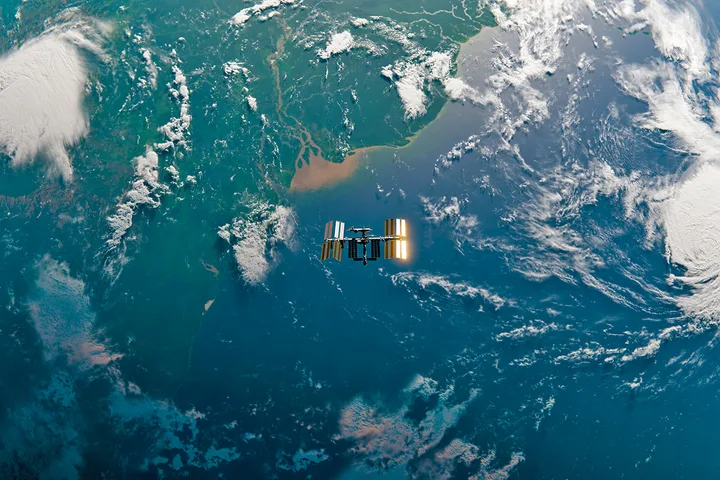
The International Space Station orbits Earth every 90 minutes at roughly 248 miles up, moving at 17,500 miles per hour. When conditions are right — sky dark, station angled to catch sunlight — it appears as a bright, steady point of light gliding smoothly from horizon to horizon in a matter of minutes. No blinking. No sound. Just billions of dollars of engineering passing silently overhead.
Spotting it requires no telescope, no expertise, nothing beyond a phone. Free tracking apps and websites give exact pass times for any location on Earth. The best windows are just after sunset or just before sunrise, when the sky is dark but the station is still high enough to catch the sun. Watch it cross the sky once and you’ll check the schedule every clear night after that.