The Container Mistake That Keeps Hummingbirds Away

The Container Mistake That Keeps Hummingbirds Away

Calibrachoas Fill the Gaps Nobody Else Can

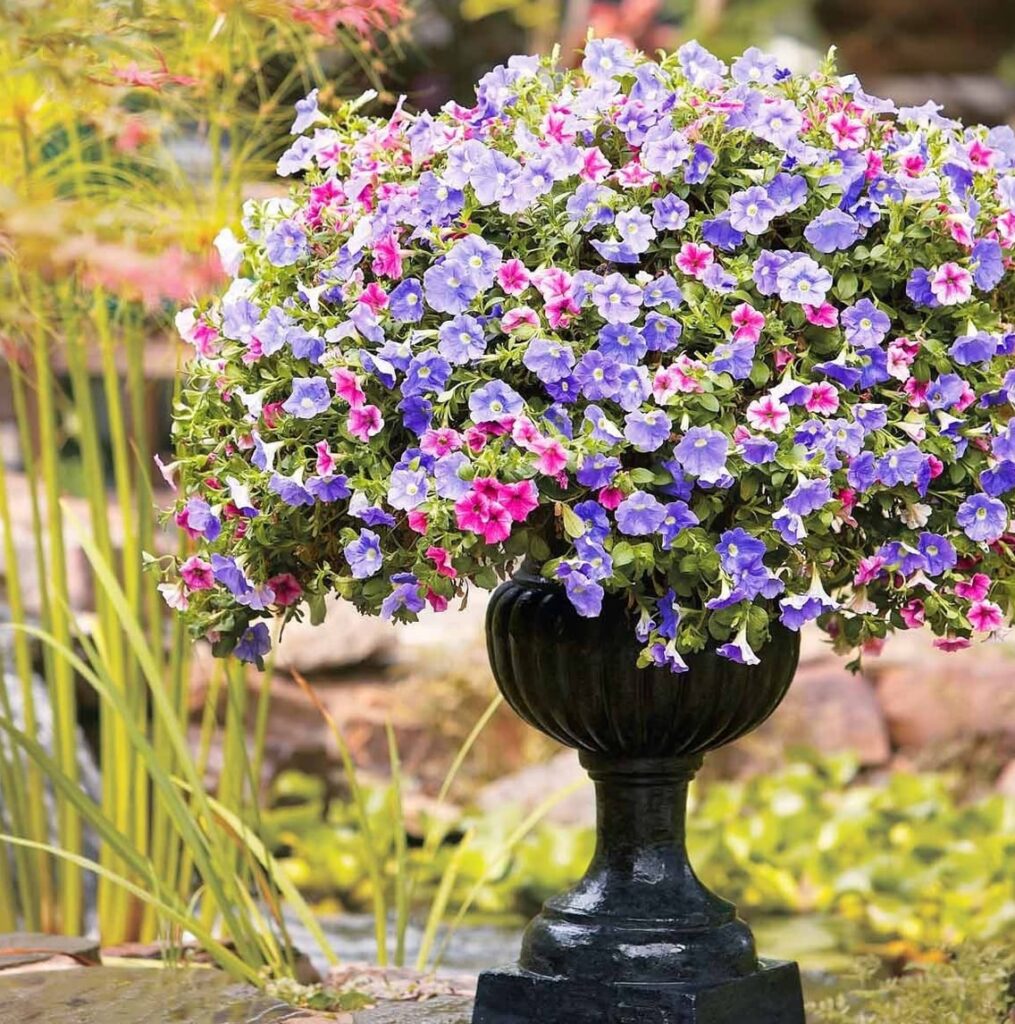
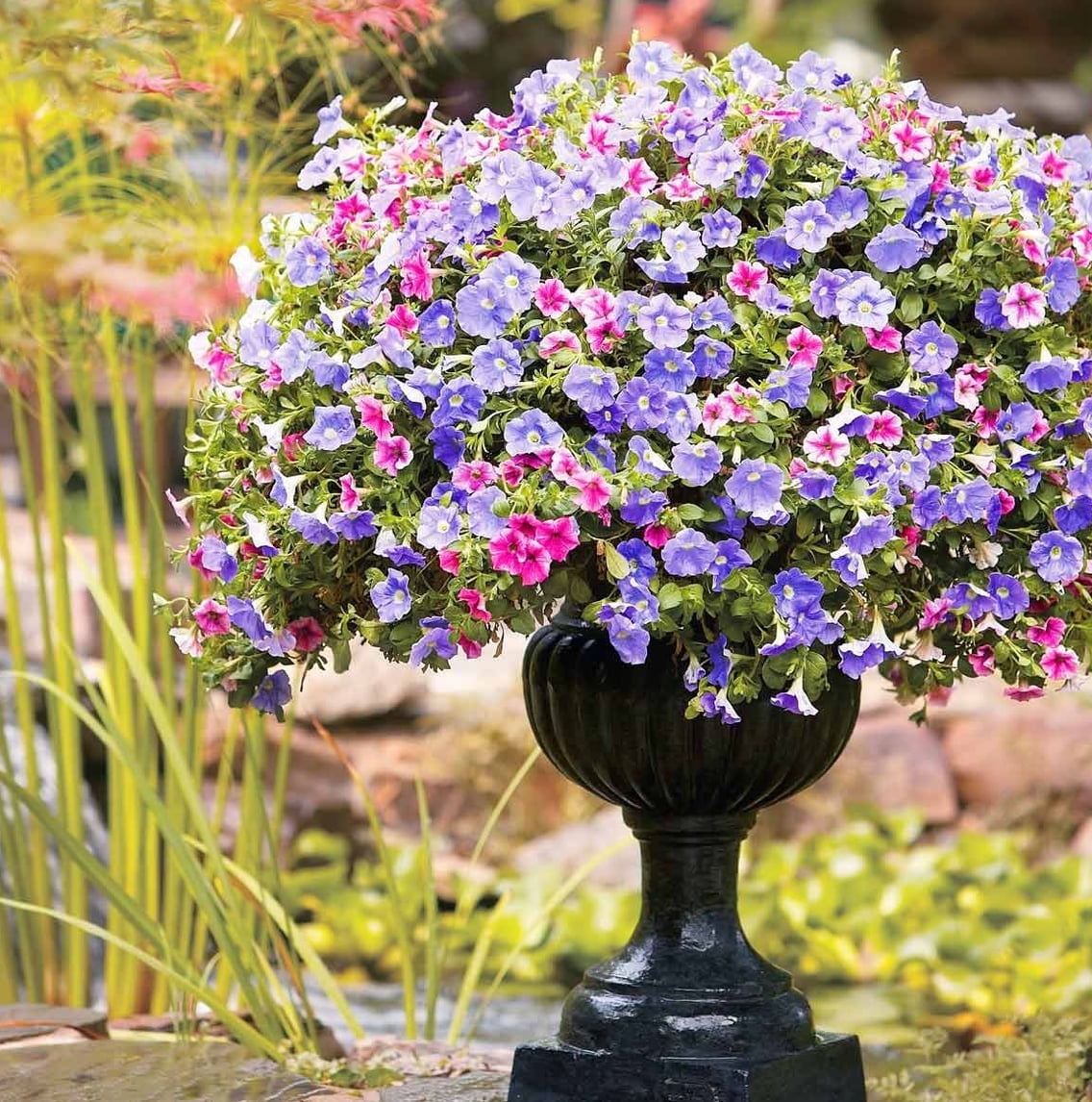
Calibrachoas are sometimes described as miniature petunias, and while they belong to the same plant family, their growth habit is distinct. They produce hundreds of small, trumpet-shaped flowers on trailing stems, covering the sides and base of a container with dense color. Hummingbirds visit calibrachoas regularly, attracted by the sheer density of blooms and the easy access the flower shape provides. What makes calibrachoas especially valuable in a container combo is their reliability. They do not need deadheading — spent flowers drop on their own and new ones replace them quickly. This means the container stays visually full without much intervention. They also come in a wide range of colors, which makes it easy to coordinate or contrast with salvias and petunias in the same pot. In a three-plant combo, calibrachoas typically handle the trailing, spreading role most effectively.

Placement Does More Work Than the Plants Alone

Even the best container combination will underperform if it is placed somewhere hummingbirds are unlikely to find it or feel comfortable using it. Hummingbirds are territorial and observant — they notice feeders, water sources, and flower clusters and build mental maps of where these resources are located. Placing a nectar container near an existing sugar-water feeder gives arriving birds an immediate connection between the two food sources and increases the chance they investigate the flowers. A sunny balcony or south-facing wall gives the plants the light they need to bloom heavily. A shady corner can work for some arrangements, but bloom production typically decreases in low light, which reduces the nectar supply and, in turn, the hummingbird traffic. The flexibility of containers means you can experiment and move things until you find what works for your specific yard.

Small Spaces Are Not a Limitation

There is a persistent assumption that attracting wildlife requires a large property. For hummingbirds, that assumption does not hold. A single well-planted container on a third-floor apartment balcony can attract hummingbirds during migration or in areas with established local populations. What matters is that the plants are blooming, that the container is visible from flight paths hummingbirds already use, and that the location is not overly exposed to strong wind or foot traffic disturbance. Multiple smaller containers grouped together are often more effective than one large one, because the combined color mass is more visible from a distance. For urban gardeners or anyone with limited square footage, containers remove almost every barrier that would otherwise prevent hummingbird gardening. The strategy scales down without significant loss of effectiveness.

Pairing Containers with Feeders Amplifies Both

Sugar-water feeders and nectar containers work better together than either does alone. Feeders give hummingbirds a consistent, reliable calorie source, which encourages them to establish a home range in your yard. Once a bird is visiting a feeder regularly, it will naturally explore nearby flower clusters for additional nectar. Placing a salvia-petunia-calibrachoa container within a few feet of a feeder creates a zone that reinforces itself — birds come for the feeder and discover the flowers, then return for both. This combination also extends foraging time, since the birds are not just hitting one spot and leaving. For gardeners trying to attract hummingbirds to a new location for the first time, starting with a feeder and then adding containers nearby is a more reliable sequence than relying on plants alone during the initial establishment phase.