HISTORYWhat Ancient Korean DNA Reveals About Society7 min read
Elite Tombs and the People Buried With Them
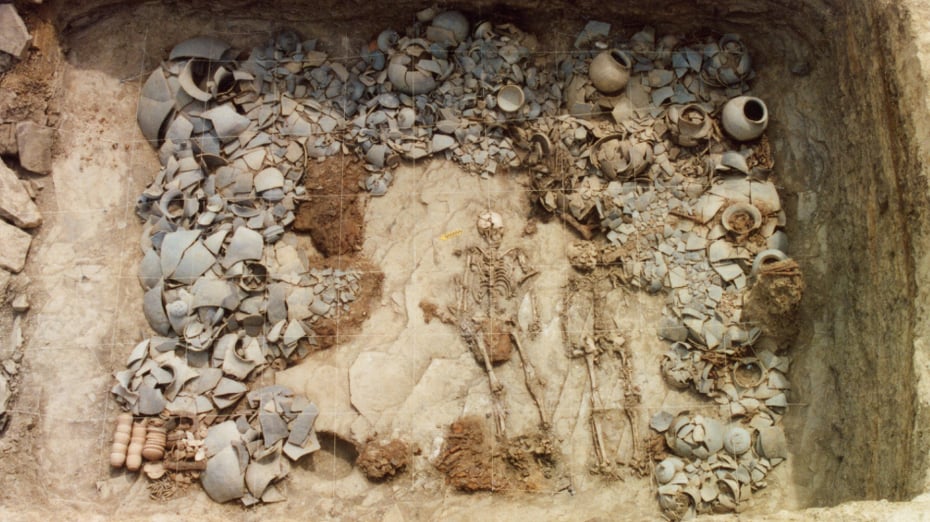
At the Imdang-Joyeong complex, not everyone was buried the same way. Tomb owners — the local elite for whom the graves were built — received individual burials in prominent positions. Retainers, by contrast, were sometimes grouped together in shared interments, positioned in ways consistent with sacrifice rather than natural death. Archaeologists had noticed these burial distinctions before, but the new genetic data added a layer of specificity. Researchers could now confirm biological relationships between individuals across different tomb types. Some retainers were related to each other. Some were related to tomb owners. The physical arrangement of the burials and the genetic data together painted a more complete picture of a highly stratified society in which social status was inherited, not earned.
When Entire Families Were Sacrificed
Perhaps the most striking finding in the study was the discovery of three cases in which parents and their children were sacrificed together and buried in the same grave. Historical accounts had suggested that sunjang could affect entire households, not just individual servants. The DNA data confirmed this directly. A parent and child, bound by first-degree biological relatedness, were placed together in graves associated with elite tomb owners. This means the practice was not purely transactional — selecting whichever servants happened to be available — but systematic enough to claim entire family units at once. For the researchers, this was strong evidence that retainer families may have been designated for this role across multiple generations, not just a single lifetime.