SCIENCEWhat Scientists Got Wrong About Ancient Sea Life8 min read
Tracing the Comb Jelly Family Tree
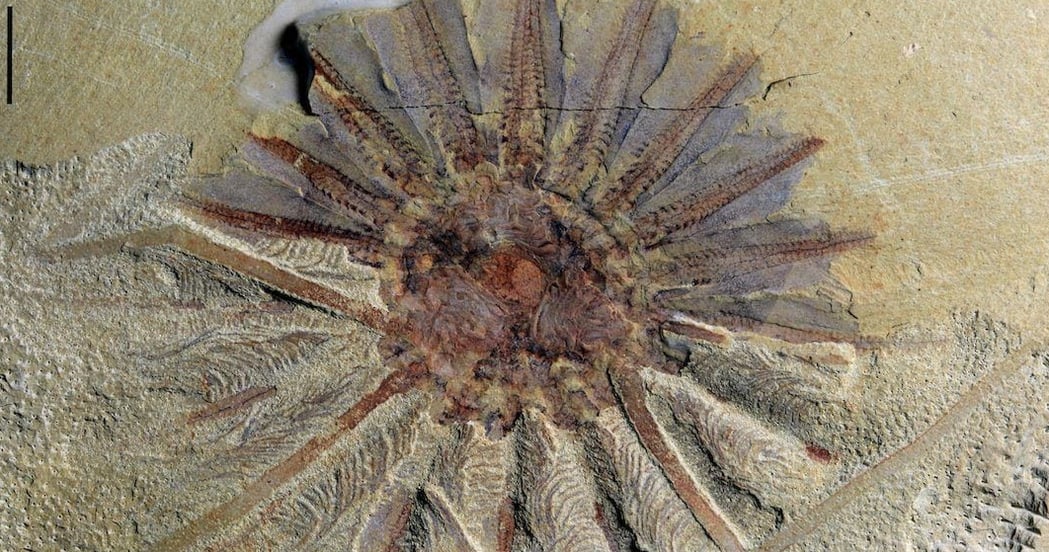
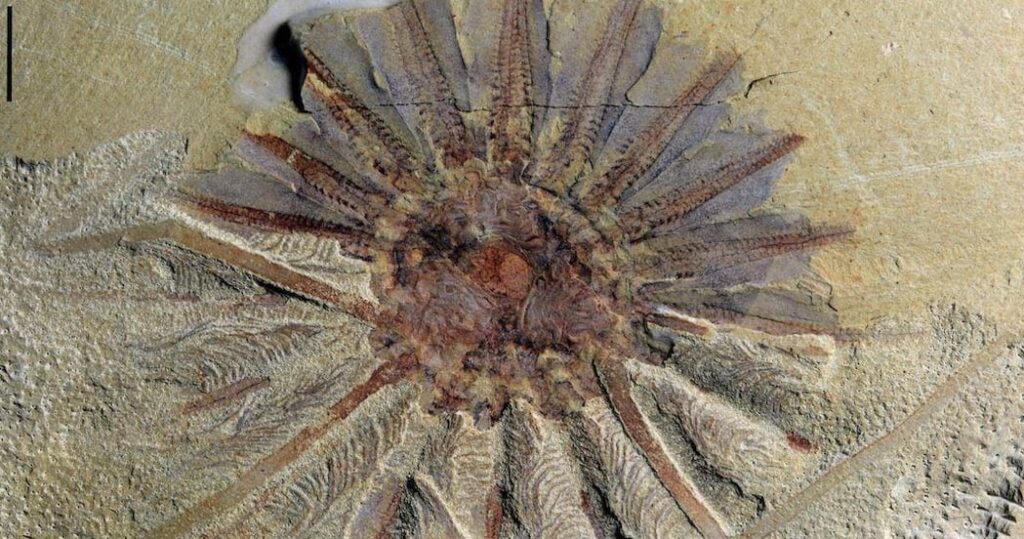
The research team’s central goal was to figure out where comb jellies came from. To do this, they compared Daihua sanqiong with other fossils sharing similar skeletal structures and with living comb jelly species. What emerged was a coherent picture of how these animals evolved over time. Vinther summarized the finding: the team was able to reconstruct the full lineage of comb jellies by making anatomical comparisons between fossils and contemporary specimens. The ancestors of comb jellies appear to have had rigid skeletons on their tentacles. Over time, those skeletal structures gave way to the flexible combs of cilia that define the group today. This is the kind of evolutionary transition that is almost never visible in the fossil record. Finding a specimen that captures a moment in that process — preserved in fine detail — is exactly what paleontologists spend careers hoping to find.
The Burgess Shale Connection That Puzzled Researchers for Over a Century
The Daihua discovery also shed light on a long-standing mystery. In 1909, a fossil was found in Canada’s Burgess Shale deposit — a 508-million-year-old organism called Dinomischus, which also had 18 tentacles. For more than a hundred years, scientists weren’t sure what Dinomischus was or where it fit in the animal tree. It was considered one of the more puzzling finds from that celebrated site. The Daihua fossil, ten million years older and structurally similar, now gives researchers a reference point. By comparing the two, Vinther’s team was able to make more confident claims about Dinomischus and its relationship to the comb jelly lineage. The two fossils appear to represent different stages in the same evolutionary story — a story that was previously too fragmentary to tell with any confidence.