SCIENCEWhat Scientists Got Wrong About Ancient Sea Life8 min read
A Misidentified Fossil Gets a Second Look
One of the more surprising conclusions from the study involves a fossil that researchers had already classified. Xianguangia, an ancient sea creature, had long been considered a sea anemone based on its tentacle structure. The new analysis challenges that classification. Study co-researcher Peiyun Cong, a professor of paleobiology at Yunnan University, concluded that Xianguangia is actually part of the comb jelly branch — not a sea anemone at all. This kind of reclassification is common in paleontology as new data comes in, but it carries real significance here. It suggests that some animals previously filed under one category may actually represent an early phase of comb jelly evolution. It also illustrates something important about how the fossil record works: a specimen’s identity is only as good as the comparative data available when it was studied. Better reference points change the answers.
What This Implies About Corals, Jellyfish, and Sea Anemones
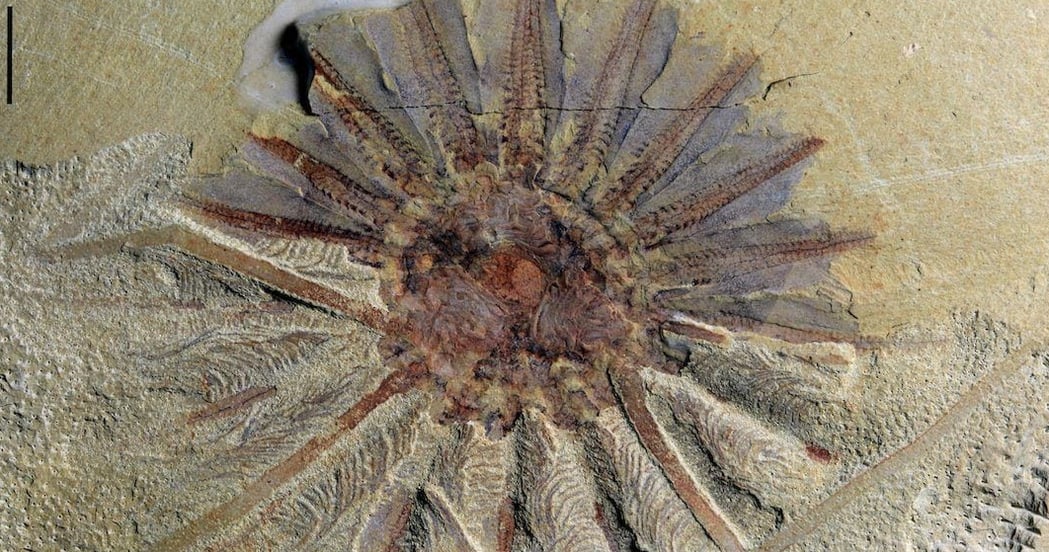
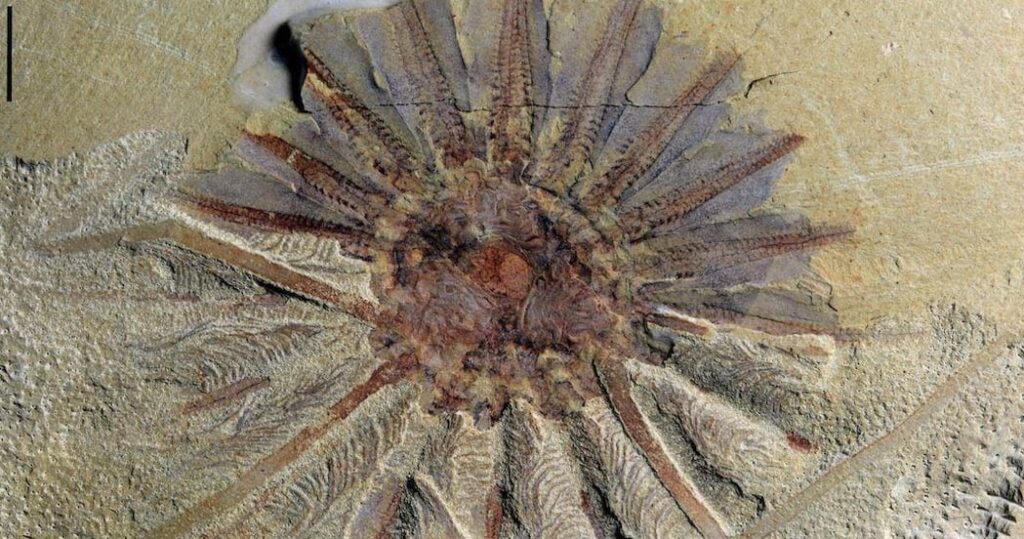
The study’s findings don’t stop at comb jellies. The evidence points toward a broader evolutionary relationship between comb jellies and several other major groups: corals, sea anemones, and true jellyfish. Vinther put it plainly — the tentacles on Daihua sanqiong are structurally the same as the tentacles found on corals and sea anemones alive today. If the analysis holds, these groups all trace back to a common ancestor: a flower-shaped, tentacled creature living in the Cambrian seas more than half a billion years ago. That would mean the branching of these animal lineages happened earlier and from a closer common root than previously understood. The evolutionary history of a coral reef, in other words, runs through a creature that looked something like a 18-armed flower drifting through an ancient ocean.